

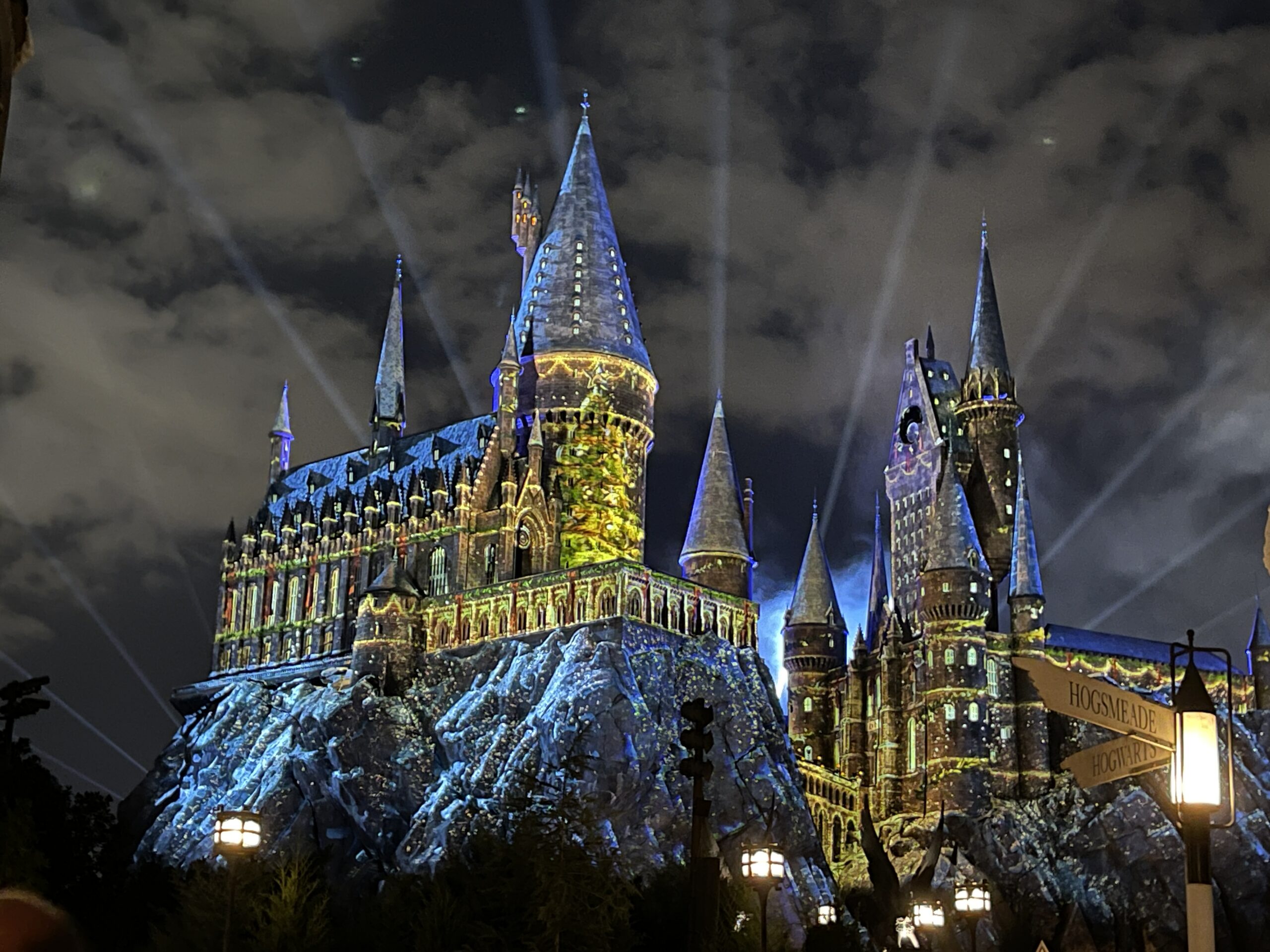
Universal Orlando is often described as a teen favorite, and that’s true. But there’s another layer most families don’t think about until they’re standing inside the parks.
Many of the adults exploring the Wizarding World today are the same people who once waited in midnight bookstore lines for the next Harry Potter release. They didn’t just watch these stories, they grew up with them. And that generational connection changes how Universal feels, because the nostalgia is real and it pulls parents into the experience just as fast as their teens.
If you’re trying to decide how many days to plan, here’s the simplest way to think about it:
- Plan 2–3 days if you want to focus on the biggest attractions, move quickly, and you’re okay with prioritizing rides over wandering.
- Plan 4–5 days if you want time for nighttime, shows, re-rides, and meals that don’t feel like a pit stop.
Universal can be done fast. The question is whether you want it to feel fast.
Why Universal Feels Different with Teens (and Parents)
Universal has a faster pulse than many first-time visitors expect. The music is louder. The ride launches are dramatic. The lands feel cinematic rather than whimsical. Even the walkways feel like they’re moving you somewhere.
That energy is a big part of why teens love it. But it also affects how your days unfold.
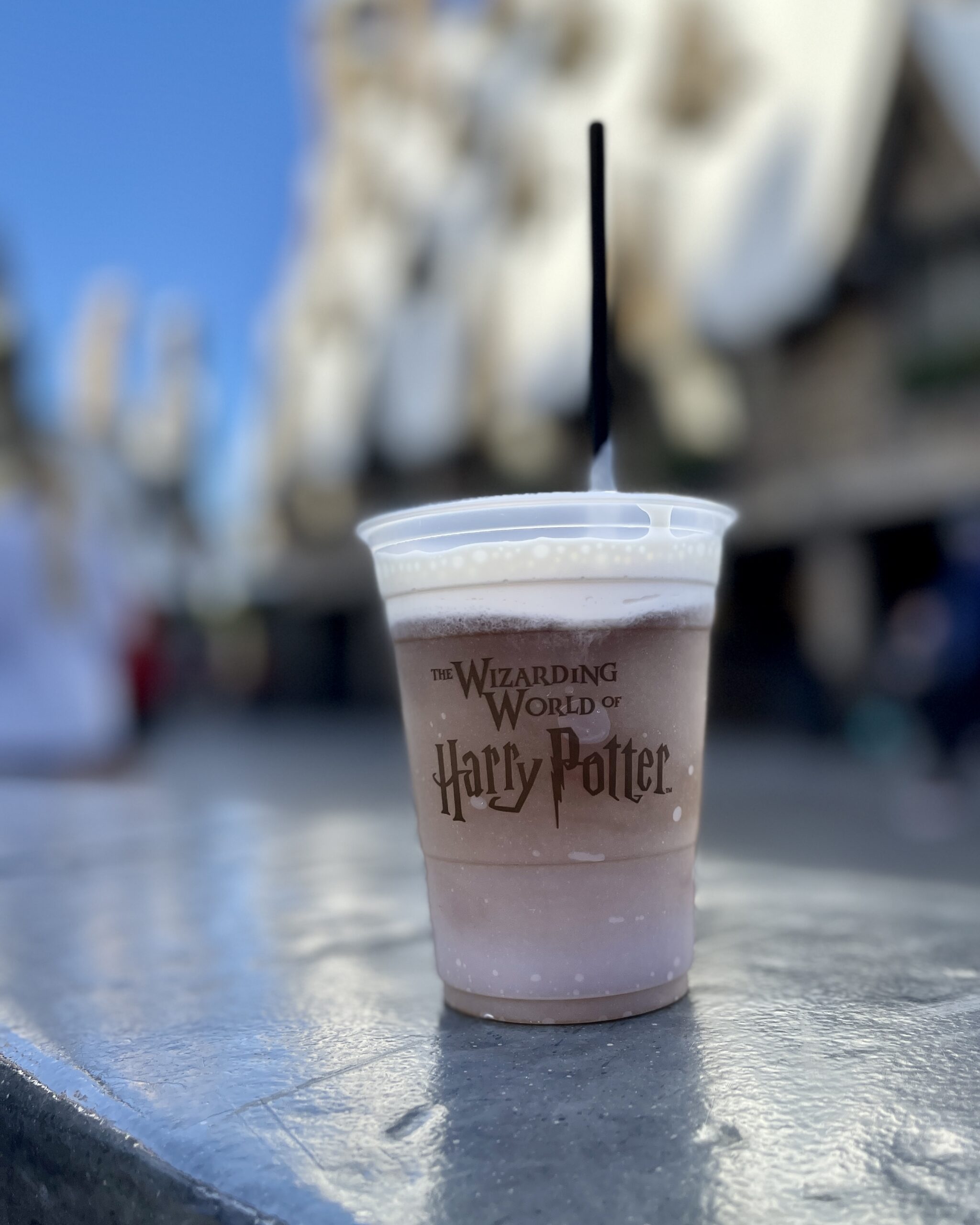
Parents often expect they’ll be “along for the ride,” then realize they’re just as invested. It’s common to see adults debating Butterbeer favorites, studying shop windows, or deciding to ride again because the details feel personal, not just entertaining.
The Pace Surprise Most Families Don’t Expect
It’s easy to look at the map and assume that three parks can be comfortably experienced in two days.
Technically, you can enter them. You can check off a lot.
But most families notice by mid-afternoon that the schedule starts to feel tight. Attractions get prioritized quickly. Meals become shorter than intended. The little discoveries that make the parks special begin blending together.
When families allow four or five days, something shifts:
- You can revisit a favorite attraction without feeling like you’re “wasting” time.
- You can slow down enough to notice the details that make the lands immersive.
- You can treat nighttime as part of the plan, not something you squeeze in if everyone still has energy.
That’s usually the difference between a trip that feels like a race and a trip that feels like a story your family is actually living inside.
How Many Days Feels Right (A Simple Decision Guide)
If you’re choosing between a shorter trip and a longer one, use this as a quick filter.
Choose 2–3 days if you want a highlights-focused trip
This usually works well if:
- Your family is comfortable moving at a brisk pace
- You’re primarily focused on rides and major attractions
- You’re okay skipping some shows or only seeing one
- You don’t mind “one-and-done” on favorites
- You’re treating nighttime as optional
You’ll see a lot. You’ll just feel the pressure to keep moving.
Choose 4–5 days if you want a more relaxed, immersive experience
This is the best fit if:
- You want the parks to include nighttime on purpose, not by accident
- You want time for re-rides, especially if everyone has different favorites
- You want to enjoy shows without feeling like you’re giving up something else
- You want meals to feel like part of the experience, not a rushed break
- You want space for wandering, shopping, and the “small moments” people remember
Most families who add extra time describe the trip as more relaxed, more immersive, and far less rushed.
Epic Universe After Dark Changes the Math

Epic Universe was clearly designed with nighttime in mind, and for many families, this becomes the biggest reason a longer trip feels worth it.
In the Monsters area, the flaming windmill cuts across the skyline and the lighting deepens the mood. Music builds underneath the atmosphere. What feels impressive in daylight becomes theatrical at night.
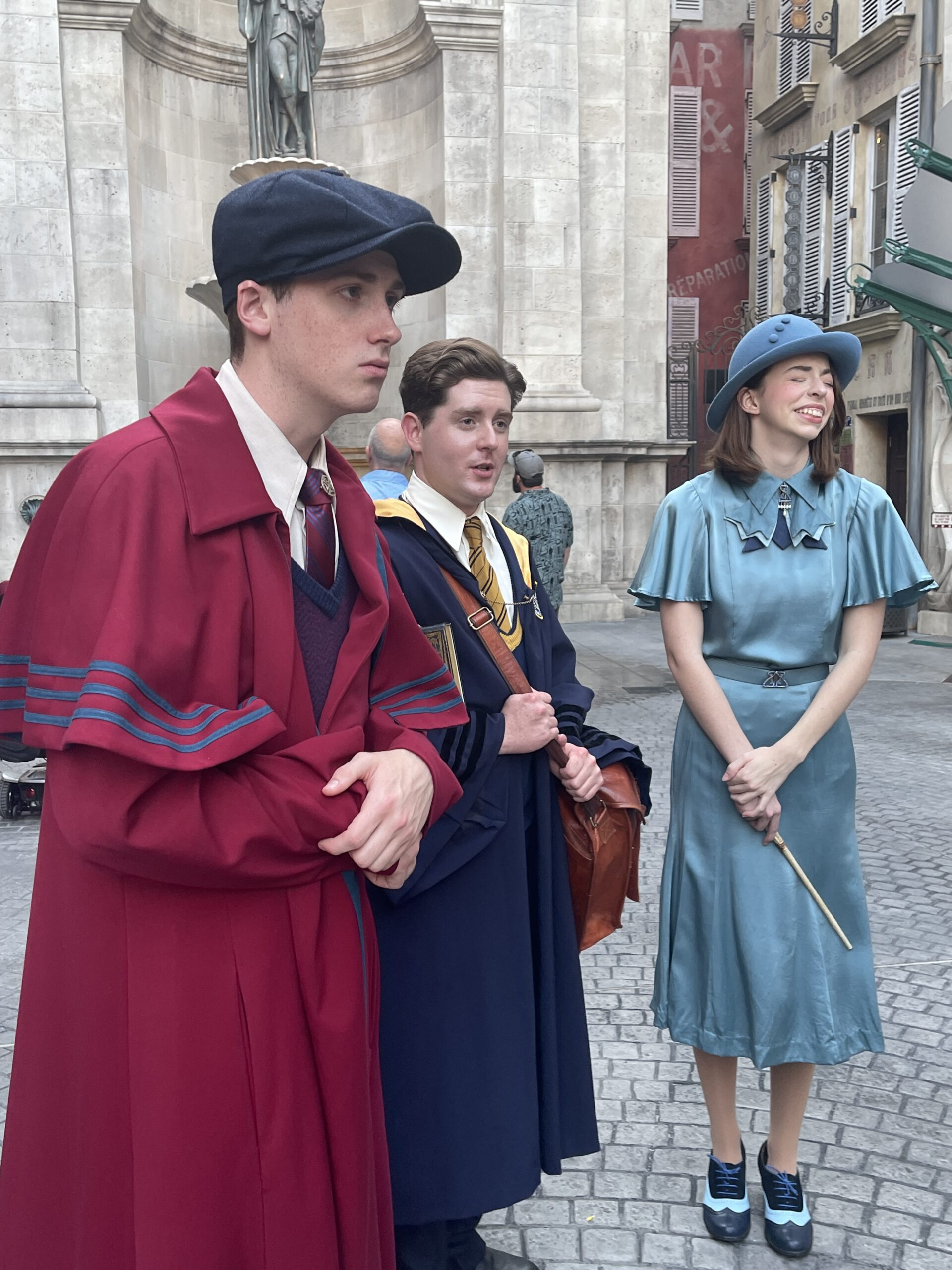
This is also where character interactions tend to feel more layered and playful. The conversations are witty. The reactions feel spontaneous. Adults appreciate the humor just as much as teens, sometimes more.


The food across Epic Universe surprises people too. Presentation feels intentional. Flavors are thoughtful. It’s the kind of dining experience where families look at each other and say, “I didn’t expect this from a theme park meal.”
When time is tight, those moments are the first to get skipped. When time is allowed, they become part of what your family talks about afterward.
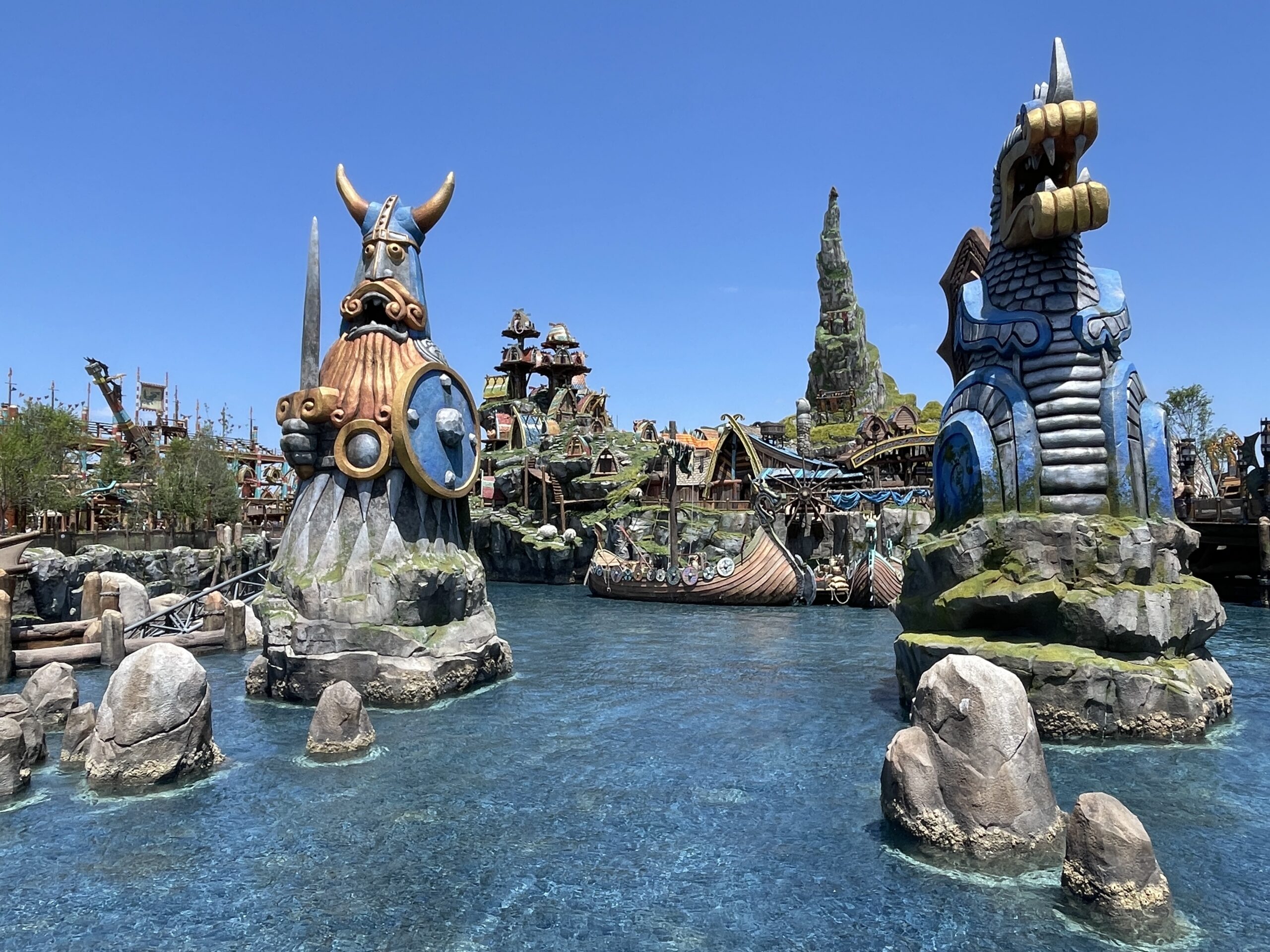
The How to Train Your Dragon Show Is Worth Planning Around
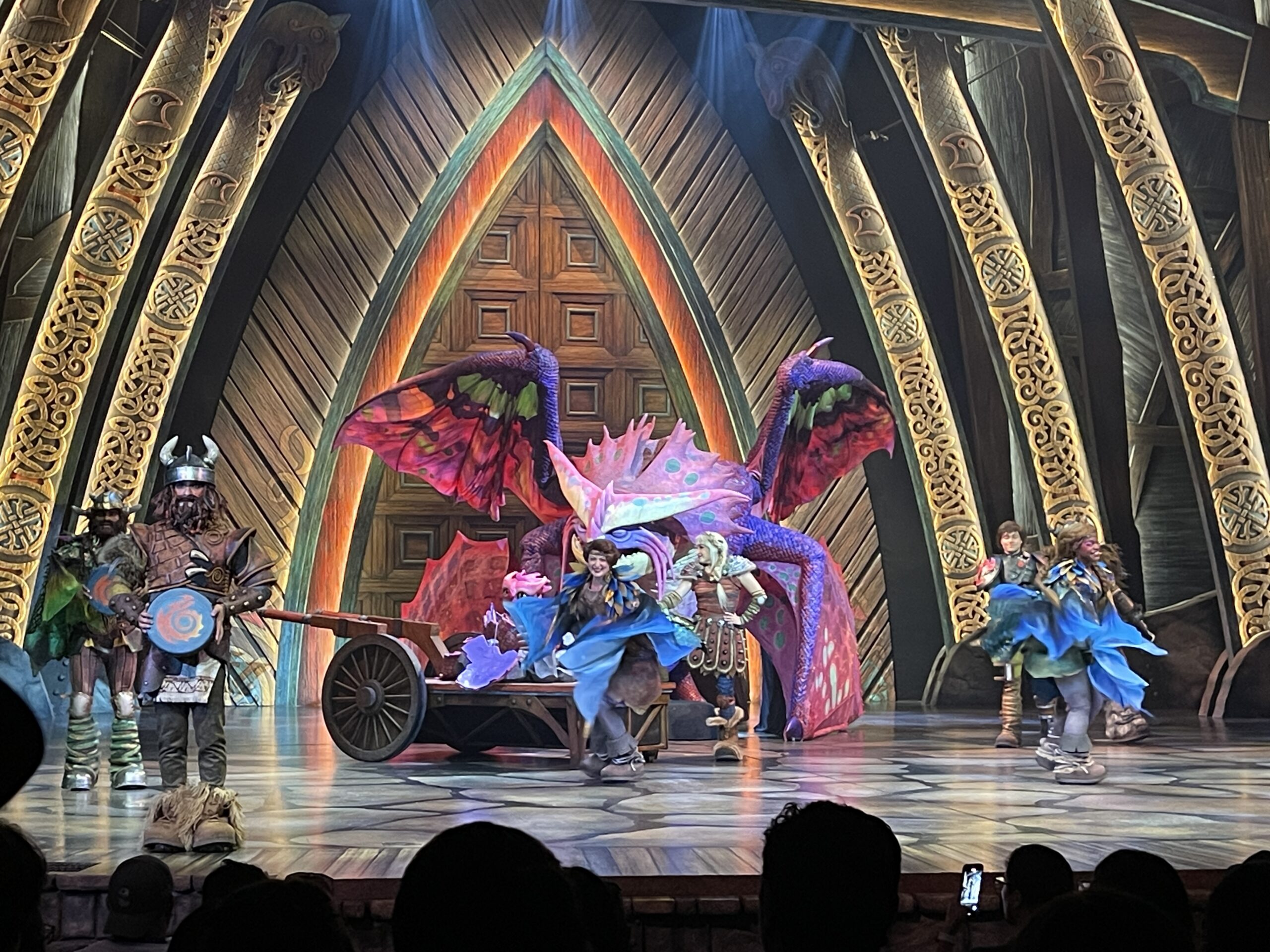
The How to Train Your Dragon show is not filler entertainment. Many families come out saying it felt more like a theatrical production than a standard theme park show.
The scale is big. The pacing works. The emotional arc lands. It has the kind of impact where families consider adjusting their schedule to see it again.
If your teens love the franchise, or if your family enjoys live entertainment, this is one of those experiences that deserves a place on the plan, not something you try to squeeze in between rides.
Universal at Christmas Feels Joyful and Character-Driven

During the holidays, Universal shifts into a different kind of energy. The oversized parade balloons bring a strong sense of nostalgia to the streets, and the atmosphere becomes more celebratory than intense.
But for many families, the headline experience is the Grinch.

The interaction is witty, unpredictable, and genuinely funny for adults and teens. Lines form early because it feels personal, and it becomes one of those moments families retell long after the decorations are packed away.
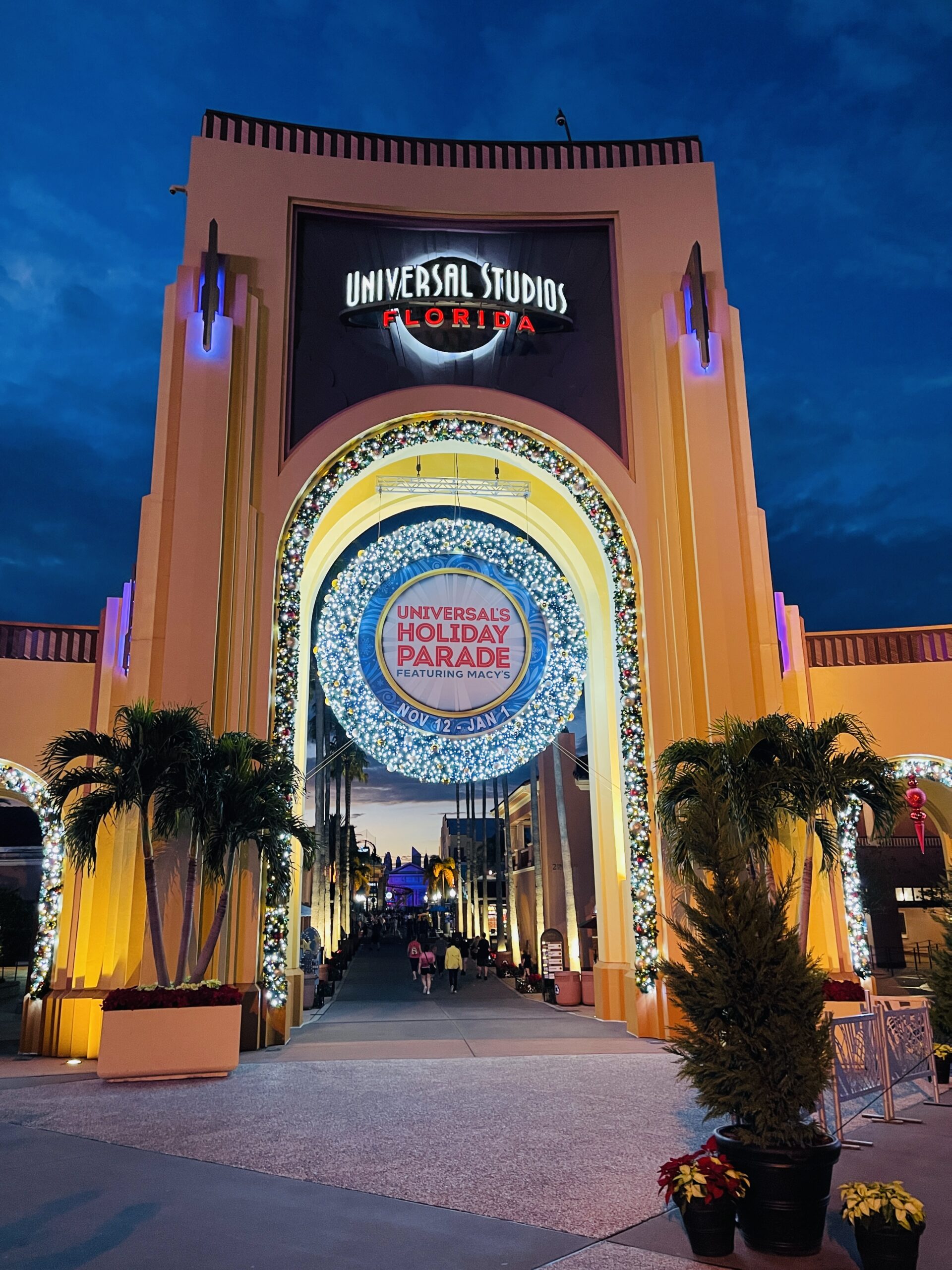
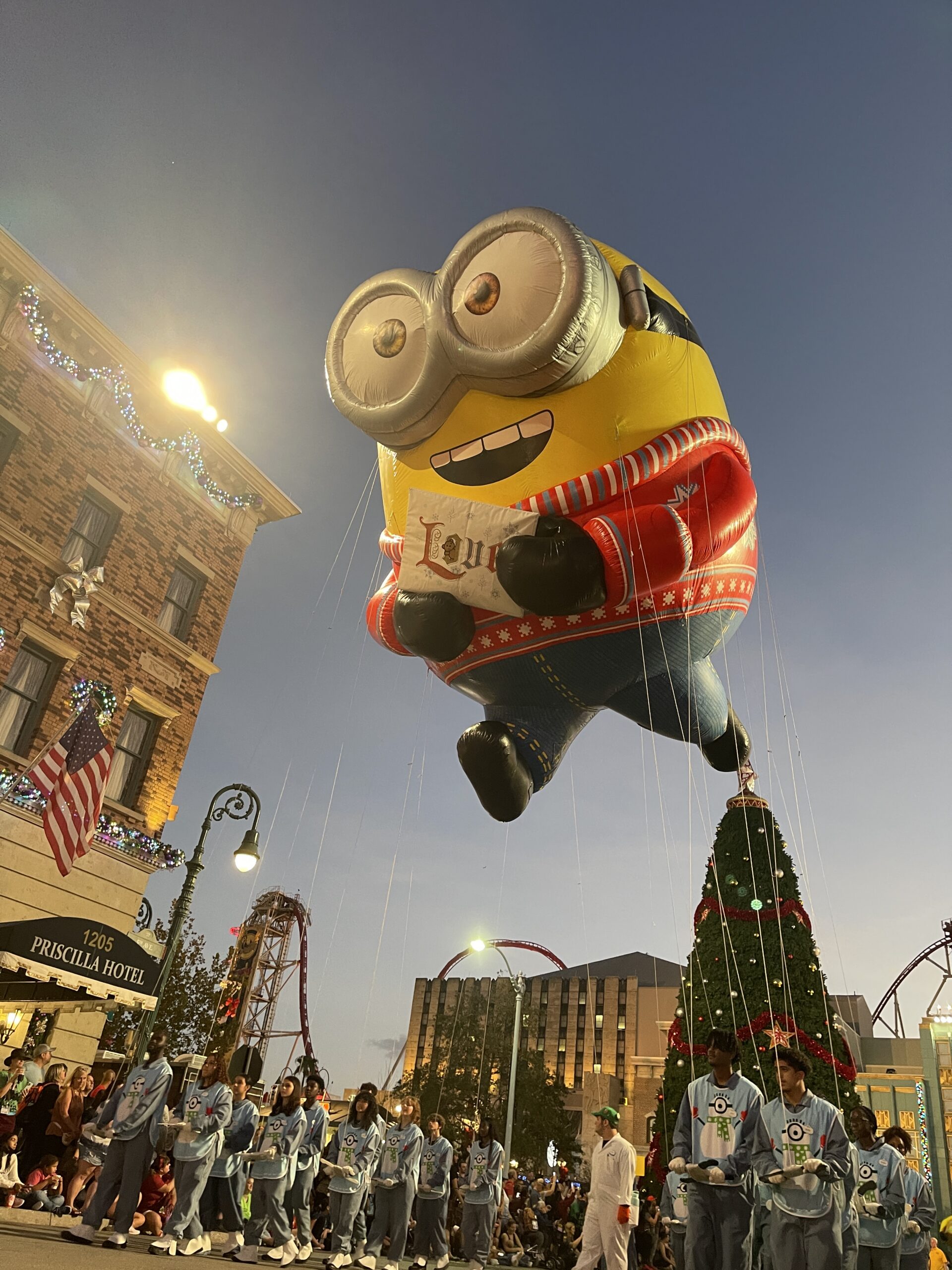
Universal’s holiday season isn’t built around endless marketplaces and food booths. It’s built around character energy and performance, and that simplicity works.
Halloween Horror Nights Requires Intention
Halloween Horror Nights is a separately ticketed event that transforms the park at night. The tone is darker. The music intensifies. Scare zones and houses are designed to be immersive and intense.
It also regularly sells out, often well in advance.
For families with younger kids, or anyone sensitive to horror themes, this is something to consider carefully before adding it to the plan. For the right audience, it can be unforgettable. For others, daytime hours may be the better fit.
Either way, it’s best when it’s chosen intentionally, not added as an afterthought.
Who Tends to Love Universal Most
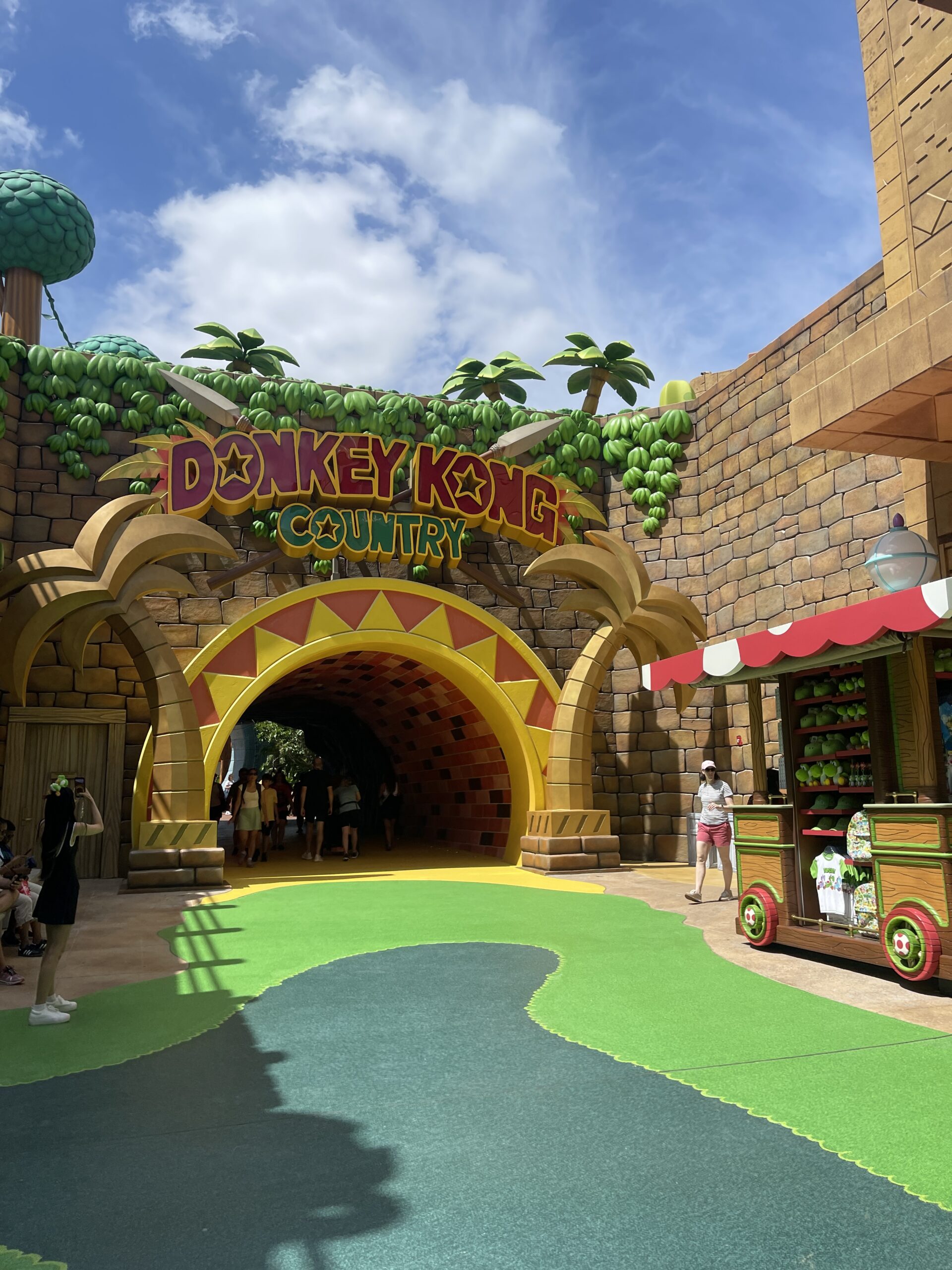
Universal isn’t about age as much as it’s about energy.
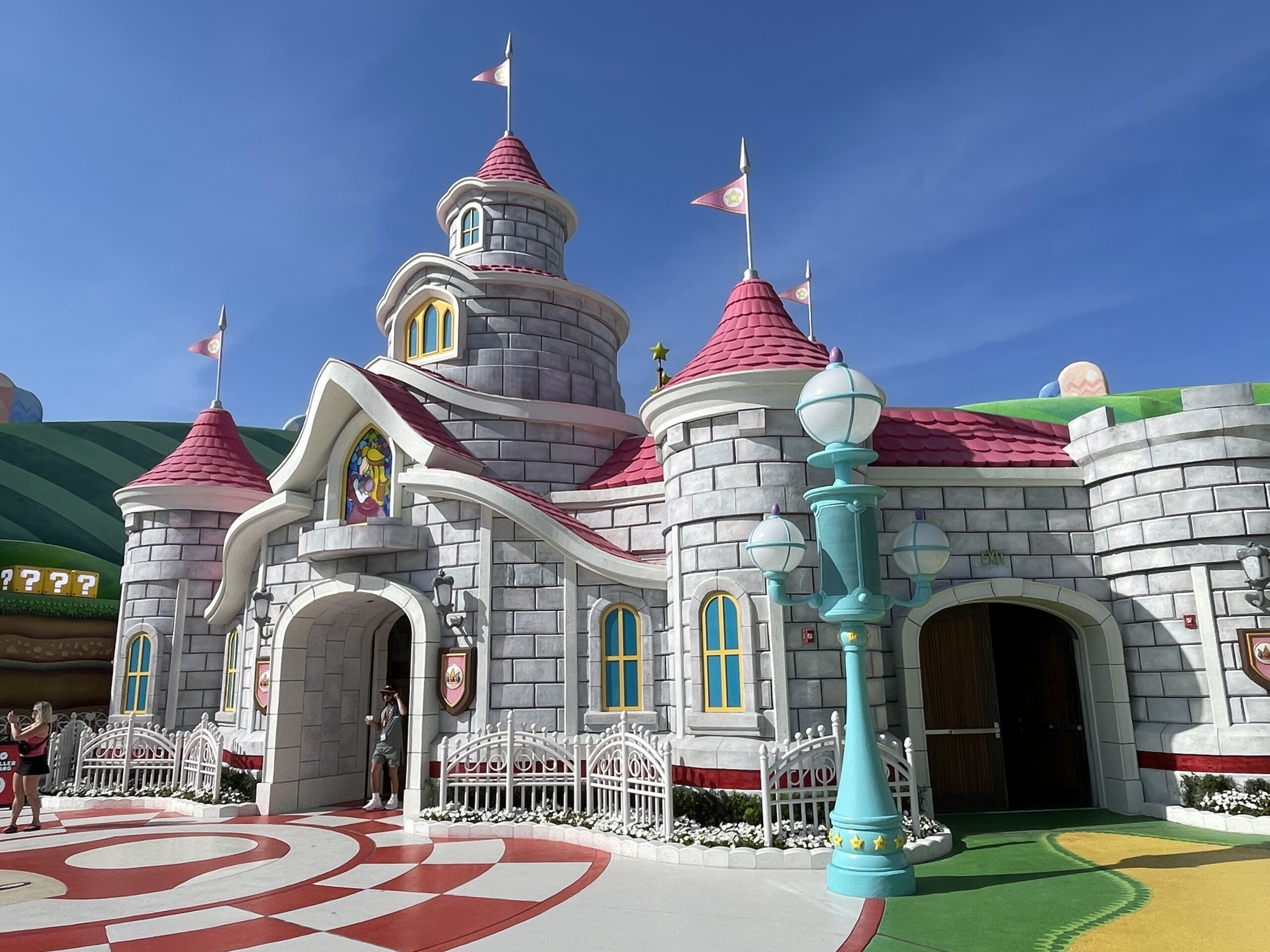
Families with teens often love the high-energy rides and immersive lands. Adults traveling without children enjoy the cinematic storytelling and surprisingly elevated dining. Multigenerational families find common ground in shared nostalgia, especially in the Wizarding World, and in the scale of the productions.
Universal rewards travelers who are ready to engage fully and give the parks enough time to unfold naturally.
The Real Question to Ask Before You Book
Universal can absolutely be approached quickly. Many guests do.
The better question is: What kind of experience do you want to create?
If your family values layered storytelling, memorable character interactions, theatrical scale, and the freedom to revisit what you love, allowing more time makes a noticeable difference.
For many adults who once stood in midnight bookstore lines, Universal becomes something unexpectedly reflective. For teens, it feels bold and immersive. For families traveling together, it often becomes the trip they didn’t expect to love quite this much.
If you’re trying to decide whether this should be a quick trip or a full Universal experience, we can help you map out the right number of days, the best ticket approach, and a plan that fits your family’s pace. Reach out and tell us your who’s going and when, and we’ll help you build a trip that feels fun, not rushed.